
Aesthetic dentistry
Beautiful and healthy teeth and a genuine smile is key to a confident appearance.Our approach is always to try to imitate the natural teeth’s shape and colour as best as we can. Give us a try!
Mon-Fri:
08:00-18:00
Sat-Sun:
closed
H-9200 Mosonmagyaróvár Április St. 1
Aesthetic fillings
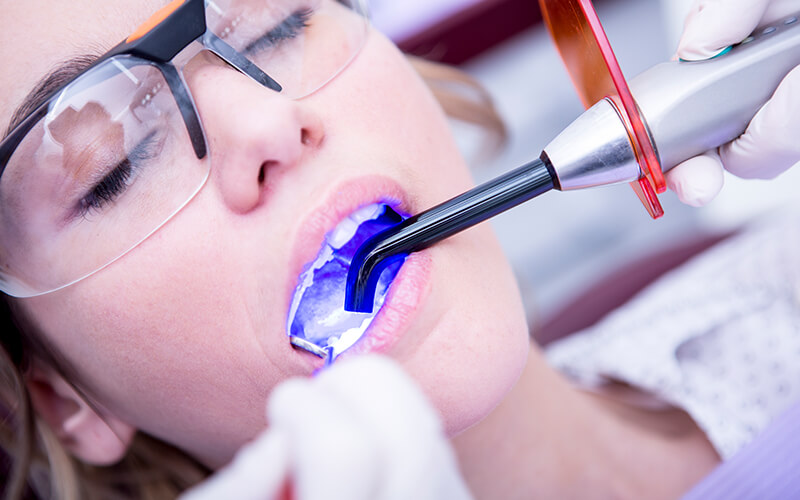
The lack of tooth structure can be a result of physical impact (abrasion, cracking, etc.) or chemical effect (dental decay). The enamel of the teeth becomes vulnerable and permeable which causes the dentin (one of the hard tissues of the tooth) to outcrop to some extent resulting in sensitivity, pain or inflammation. It isn’t just the sensitivity that may cause problems, the bacteria that reaches the dentin can also bring on complications, so filling the affected teeth is inevitable.
The aesthetic filling is made of artificial resin mixed with granulated glass and porcelain, so it’s lasting, strong and long-wearing. It is the perfect way to handle dental decay when there is enough healthy dental tissue. It restores the colour and anatomical shape of the tooth, so it is basically invisible for the naked eye.

Inlay, Onlay
Recommended if:
- the tooth decay affects more than half of a tooth, or it has spread to the neighbouring teeth
- your tooth’s shape is not adequate, making chewing difficult
- an amalgam filling is in need of change
- you have a chipped tooth (it restores the height of the bite)
- you had a root canal treatment
- the occlusal surface has discoloration
Veneer
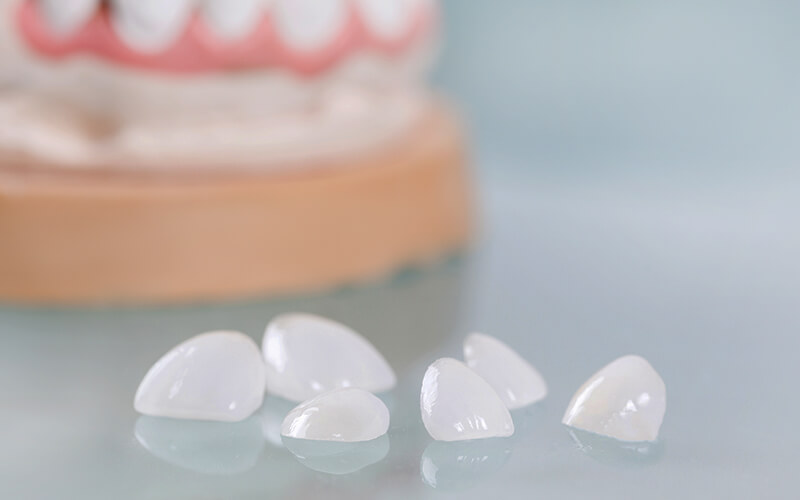
Veneers can be used to treat the following deficiencies:
- your teeth are healthy, but you are not satisfied with the way they look
- you want an alternative for teeth whitening
- you want to correct the defects of the dental arches without orthodontia
- your denture is abraded
- your teeth discoloured after root canal treatment
- you chipped your incisors
- you have diastema
Root canal treatment
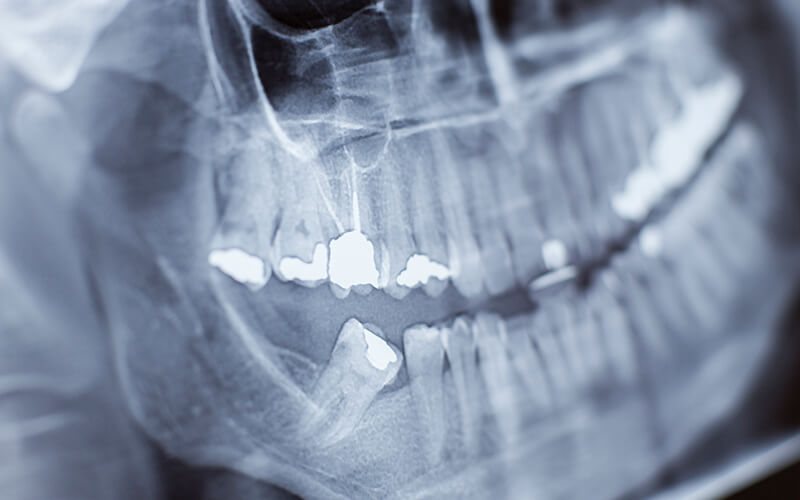
The root canal or endodontic treatment treats the inside of the tooth in order to relieve pain and save the tooth.
Inside of the tooth, under the enamel and the dentin, there is a soft tissue called the pulp. The pulp extends from the crown of the tooth to the to the tip of the roots. It contains blood vessels, nerves and connective tissue. The endodontics treats the dental pulp’s malignancies. Endodontic treatment is necessary when the pulp becomes inflamed or infected. The inflammation or infection can have a variety of causes: deep decay, chemical and physical stimuli, a crack or chip in the tooth.
If these symptoms left untreated, they can cause pain and festering, the damage of the jawbone, or they can lead to abscesses. During the procedure, we remove the infected pulp, clean and shape the root canal, then temporarily seal the tooth. The root canal system is filled during the next sitting. Once the permanent root canal filling is in place, we restore the functionality and the aesthetic view of your tooth by making an aesthetic cover filling.
Periodontology, dental cleaning
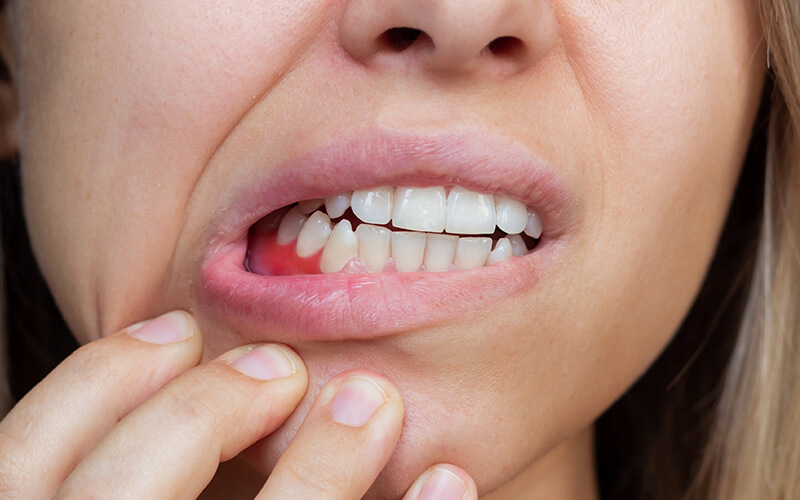
Periodontal diseases range from simple gum inflammation to serious diseases which may result in major damage to the soft tissue and bone that supports the teeth. Their main cause (besides some genetic factors) is the failure to remove dental plaque in time, so the prevention begins with orderly dental hygiene treatments, proper fillings and teeth replacements. We treat already developed periodontal diseases with the removal of dental plaque and with small dental surgeries like the removal of inflamed packets (gaps between the teeth and the gum line). If recognized and treated in time, periodontal diseases are reversible and the gum’s healthy state can be re-established.
Dental plaque is the main cause of gum disease. It’s a biofilm that grows on the surface of the teeth. First, it is a sticky colorless deposit, but when it forms tartar, it is often pale brown or yellow, and it can no longer be removed with brushing your teeth. It is commonly found on the lower incisors’ inner side and the upper molars’ outer side because of the salivary glands’ outlets. The formation of dental plaque is never entirely avoidable, not even with great oral hygiene.
Dental hygiene treatments are recommended in every 6 months because dental plaque can be found not just between the teeth, on the front of teeth, behind teeth and on chewing surfaces but along or below the gum line as well, causing inflammation. The inflamed gum is red and swollen and may bleed while you brush your teeth or use floss. If untreated, it may progress to periodontal disease.
Symptoms of periodontal disease:
- red, swollen and bleeding gum
- receding gum line
- sensitivity
- bad breath
- movable or loose teeth
A number of other problems can be traced back to untreated gum disease like hair loss, arthralgia or skin problems.
During ultrasonic dental cleaning the device removes the pellicle, the tartar and the discolorations from the surface of the teeth. Tartar removal is followed by tooth polishing which makes the surface of the teeth smooth. There is less of a chance for tartar formation on a clean and smooth surface.
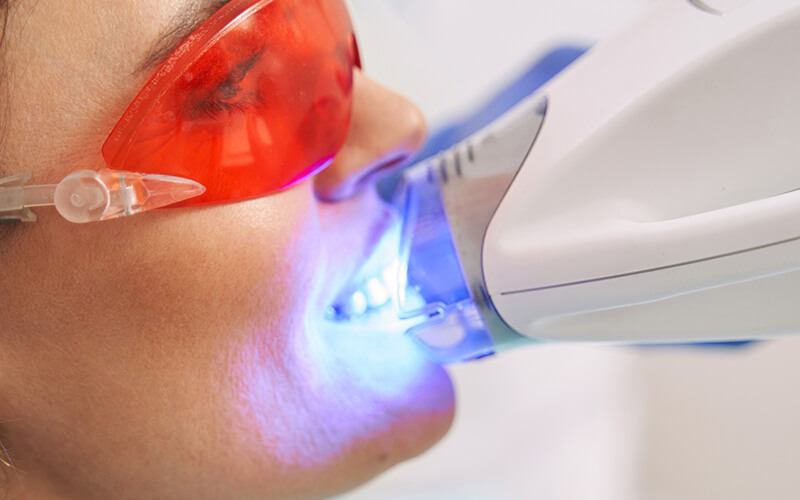
Tooth whitening
An important condition of tooth whitening is clean and smooth teeth, so the first step is always a dental cleaning.
Then, we make an impression of the teeth and the dental technician prepares a silicon mouth tray. The tooth whitening happens at home: you fill the mouth tray with whitening gel and leave it in for the night. The process requires circa 10 days and results in 4 or 5 shades lighter teeth.